03 9070 0955 03 9070 0955

Macular degeneration

Freedom from glasses starts here.

Macular degeneration is a condition that affects the macula, the part of the retina responsible for sharp, detailed central vision.

Macular degeneration

Macular degeneration is a condition that affects the macula, the part of the retina responsible for sharp, detailed central vision. It can make everyday tasks harder, like reading, recognising faces, and seeing fine detail when driving. The good news is that early diagnosis and ongoing monitoring can make a real difference, especially for the type that needs urgent treatment.

What is macular degeneration

Macular degeneration affects the central part of the retina rather than the whole retina. That is why it impacts detailed vision first, while side vision often remains much better.

The macula and central vision

The macula is the small, central area of the retina that helps you see fine detail clearly. When the macula is damaged, central vision can become blurred, distorted, or patchy, which can affect reading, facial recognition, and tasks that need precision.

Age-related macular degeneration (AMD)
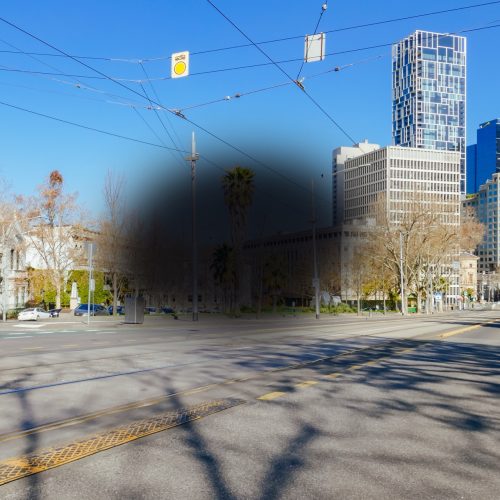
Age-related macular degeneration, often shortened to AMD, is the most common form of macular degeneration. It tends to progress differently from person to person. Some people have slow, mild changes for years, while others develop more active disease that needs closer follow-up and treatment.
Macular Degeneration IMG 2 - 1

Types of macular degeneration

AMD is usually grouped into dry and wet types, and also described by stage. Knowing which type you have helps guide the monitoring plan and the urgency of treatment.

Dry macular degeneration

Dry AMD is linked to changes in the macula that develop gradually over time. It is often associated with drusen, which are small deposits under the retina. The focus is usually on monitoring, tracking change with imaging, and supporting long-term eye health based on individual risk.

Wet macular degeneration

Wet AMD involves abnormal blood vessels growing under or within the retina. These vessels can leak fluid or bleed, which can cause faster changes in central vision. Wet AMD needs urgent assessment because early treatment can help reduce the chance of rapid vision loss.

Early, intermediate and advanced AMD

These stages describe how far the condition has progressed. Early AMD may involve mild changes with little impact on vision. Intermediate AMD often has more noticeable drusen and a higher risk of progression. Advanced AMD can involve significant central vision loss due to retinal atrophy or scarring, depending on the type.

Symptoms and early warning signs

Macular degeneration often starts subtly, which is why many people do not notice changes straight away. Paying attention to central vision symptoms and acting quickly when changes are sudden matters.

Common symptoms of macular degeneration

Symptoms can include blurred central vision, distortion where straight lines look wavy, needing brighter light for reading, trouble adapting to low light, and difficulty recognising faces. Some people notice a smudge or patch in the centre of their vision, especially when reading.

Sudden changes that need urgent review

If you notice a sudden increase in distortion, rapid blur, or a new central dark patch, it needs urgent review. These can be red flags for wet AMD and time matters for treatment decisions.

Using an Amsler grid at home

An Amsler grid is a simple at-home tool that can help you notice distortion earlier. If lines look wavy, missing, or blurred compared to your baseline, it is a signal to book an assessment rather than waiting it out. It does not replace eye scans, but it can be useful for day-to-day monitoring.

Causes and risk factors of AMD

AMD is linked to ageing and genetics, but lifestyle and overall vascular health also play a role. Understanding risk factors helps guide prevention strategies and screening.

Age and family history

Age is one of the strongest risk factors for AMD. Family history also matters because genetics can increase susceptibility. If a parent or sibling has AMD, it is worth mentioning it during your eye examination.

Smoking and cardiovascular risk factors

Smoking is a major modifiable risk factor for AMD. Cardiovascular risk factors like high blood pressure and high cholesterol can also contribute by affecting blood flow and retinal health. Managing overall vascular health is part of protecting long-term eye health.

UV exposure and lifestyle factors

Long-term UV exposure may contribute to retinal ageing. Wearing sunglasses and a hat outdoors is a sensible habit, especially if you spend a lot of time outside. Diet patterns and general health habits also influence eye health over time.

OCT and imaging for glaucoma

OCT imaging can measure the retinal nerve fibre layer and ganglion cell complex. This can help detect early glaucoma changes and confirm whether treatment is keeping things stable.

Angle assessment and corneal thickness

Gonioscopy checks whether the drainage angle is open or narrow, which guides diagnosis and treatment decisions. Pachymetry measures corneal thickness because it can influence pressure readings and help inform a realistic target pressure.

How macular degeneration is diagnosed

Diagnosis is based on a detailed eye examination plus retinal imaging. Imaging is important because it can show macular changes before symptoms become obvious.

Comprehensive eye examination

Your assessment typically includes vision testing, a dilated eye exam, and close examination of the retina and macula. A dilated exam helps your specialist see subtle signs that might not be visible otherwise.

OCT scan for macular degeneration

OCT is one of the most important tools for diagnosing and monitoring AMD. It provides cross-sectional images of the macula and can detect fluid, swelling, thinning, or other changes that guide diagnosis and treatment planning.

Retinal photography and autofluorescence

Retinal photography helps document baseline appearance and track changes over time. Autofluorescence imaging can be useful in some cases to assess areas of retinal stress or atrophy, supporting long-term monitoring.

Angiography (if needed)

In certain cases, dye-based tests may be used to confirm or better define wet AMD. This is not needed for everyone, but it can be helpful when the diagnosis is unclear or treatment planning requires more detail.

Treatment for macular degeneration

Treatment depends on whether AMD is dry or wet, and on the stage. The aim is to protect central vision by monitoring carefully, acting quickly when wet AMD is suspected, and supporting quality of life if vision becomes more limited.

Treatment for dry macular degeneration

Dry AMD is usually managed with structured monitoring, guidance around risk reduction, and supplements when appropriate and clinician-guided. Not everyone needs supplements, and the best approach depends on your stage and risk profile.

Treatment for wet macular degeneration

Wet AMD is commonly treated with anti-VEGF injections. These medications reduce abnormal blood vessel activity and leakage in the macula. Treatment is time-sensitive because earlier control of fluid and bleeding can reduce the chance of permanent central vision damage. Many patients need an ongoing schedule of treatment and review, based on how active the disease is on imaging.

Managing advanced macular degeneration

For advanced AMD, care often includes maximising remaining vision through practical strategies and low vision support. This can include optimising lighting, magnification tools, and referral to support services when helpful, alongside continued monitoring for stability.

What to expect with ongoing AMD care

AMD care is typically long-term and tailored. Even when vision is stable, regular monitoring helps detect subtle progression and catch wet changes early.

Monitoring and follow-up frequency

Follow-up frequency depends on your AMD type and stage. Many patients are monitored with OCT and vision checks at planned intervals, with earlier review if symptoms change. The key is knowing what changes should trigger a sooner appointment.

How treatment is tailored

Treatment plans are adjusted based on your symptoms, your scan results, and whether the disease is active. Some patients need more frequent reviews, while others can be monitored at longer intervals once stable.

Can macular degeneration be cured

There is no guaranteed cure for AMD. The focus is on management, monitoring, and slowing progression where possible. For wet AMD, treatment aims to control disease activity and protect vision, but outcomes vary from person to person.

Protecting your vision with macular degeneration

While you cannot control every risk factor, there are practical steps that support retinal health and reduce avoidable risk over time.

Smoking cessation and vascular health

If you smoke, quitting is one of the most meaningful steps you can take for your eye health. Supporting vascular health through blood pressure and cholesterol management also helps protect the retina. If you are unsure where to start, your GP can support a plan that suits you.

Nutrition for eye health

A balanced diet that includes leafy greens, colourful vegetables, and omega-3 sources can support eye health. The goal is consistency, not perfection, and there are no miracle foods. If supplements are recommended, they should be chosen based on your clinical findings and stage.

Light protection and eye-safe habits
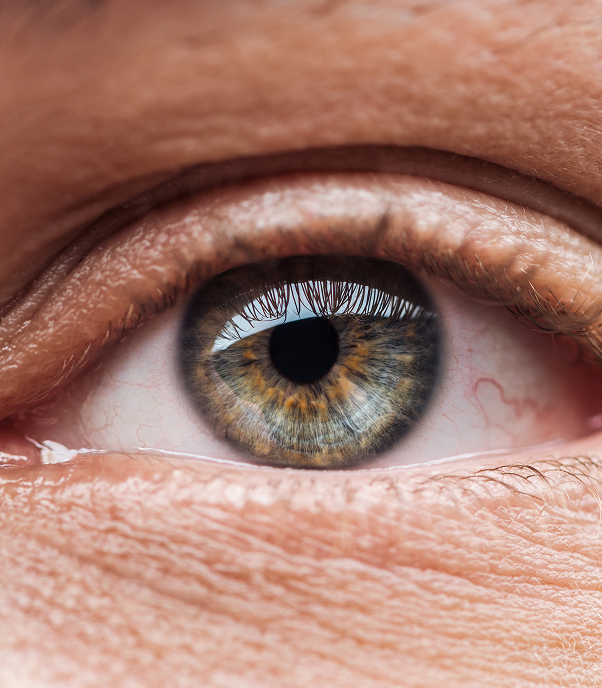
UV protection is a simple habit that supports long-term eye health. Sunglasses and a hat outdoors can help, and regular eye checks matter, especially if you have family history or early changes.

Why choose City Eye Surgeons for macular degeneration care

AMD care works best when diagnosis is accurate, monitoring is consistent, and symptoms that suggest wet AMD are triaged quickly.

Comprehensive imaging and monitoring

We use structured imaging and follow-up planning to document baseline macular health, track change over time, and guide treatment decisions with clarity.

Timely assessment for wet AMD symptoms

If symptoms suggest wet AMD, early assessment matters. Fast access to scans and clinical review supports timely treatment decisions.

Clear care plans and ongoing support

We focus on simple, practical plans that explain what your diagnosis means, what to watch for, and when to come back, so you feel informed rather than left guessing.

FAQs

What are the first signs of macular degeneration?
Early signs can include distortion where straight lines look wavy, blurred central vision, needing brighter light for reading, and difficulty recognising faces. Some people notice a smudge or patch in central vision.
Dry AMD tends to progress gradually and is linked to drusen and longer-term macular changes. Wet AMD involves abnormal blood vessels that can leak or bleed and can cause faster central vision change, which needs urgent assessment.
Diagnosis involves a comprehensive eye exam and retinal imaging, especially OCT, which shows macular structure and can detect fluid or other changes that guide staging and treatment.
You cannot control age or genetics, but you can reduce risk by not smoking, managing blood pressure and cholesterol, and having regular eye checks, especially if you have family history or early changes.
Supplements may be recommended in certain stages, but they are not for everyone. The right advice depends on your clinical findings and your AMD stage, so it should be clinician-guided.
Some people can drive safely in early stages, but it depends on visual acuity, contrast, and functional vision. Ongoing monitoring helps guide advice, and it is important to be honest about any changes that affect safety.

Rediscover clearer vision