03 9070 0955 03 9070 0955

Glaucoma

Freedom from glasses starts here.

What is glaucoma?

Glaucoma is a group of diseases that damage the eye’s optic nerve and can result in vision loss and blindness. It is the second most common cause of blindness worldwide after cataracts. With early detection and treatment, severe vision loss can be prevented. It is for this reason that everyone over the age of 45 should see their optometrist for an eye check every 2 years and earlier if there is a family history.


Glaucoma is usually associated with an intraocular pressure (IOP) above the normal range. However:

  • 20-50% of patients with glaucoma have IOP within the normal range. Patients with normal IOP are said to have normal tension glaucoma.
  • Many patients have raised IOP for years without developing characteristic changes of glaucoma. This condition is referred to as ocular hypertension.

What are the symptoms of glaucoma?

Often glaucoma develops without any symptoms. There is commonly no pain and central vision often stays normal until late stages of the disease. Therefore it is important for patients with glaucoma to have regular specialised visual field tests to assess the amount of peripheral vision being affected.


Without treatment, people with glaucoma will gradually lose their peripheral vision. Over time, central vision may decrease until no vision remains. Glaucoma can develop in one or both eyes.

Glaucoma can be classified as open angle or close angle.

In angle-closure glaucoma, the drainage angle at the front of the eye is blocked by part of the iris and fluid cannot drain through the angle and leave the eye. This type of glaucoma is more common among Asian patients. People with this type of glaucoma may have a sudden increase in eye pressure. Symptoms include severe pain and nausea, as well as redness of the eye and blurred vision. If you have these symptoms, you need to seek treatment immediately. This is a medical emergency. Without treatment to restore the flow of fluid, the eye can become blind. A laser treatment called peripheral iridotomy to create a small channel on the iris near the angle can prevent this emergency from occurring.


In open-angle glaucoma, the drainage angle is not blocked by the iris. Open-angle glaucoma forms the majority of glaucoma in Australia. In open-angle glaucoma, even though the drainage angle is open, the fluid passes too slowly through the meshwork drain. This causes fluid build-up and the pressure inside the eye rises to a level that may damage the optic nerve. When the optic nerve is damaged from increased pressure, open-angle glaucoma and vision loss may result. There is no single value of eye pressure that will cause glaucoma. The damage to the optic nerve occurs when the balance between eye pressure and the optic nerve’s ability to handle pressure is lost.

Who is at higher risk of developing glaucoma?

  • People with a family history of glaucoma
  • Older age
  • Patient with migraines or Raynaud’s (a condition that causes very cold fingers and feet) or low blood pressure especially at night.
  • Some patients with obstructive sleep apnoea

How is glaucoma diagnosed?

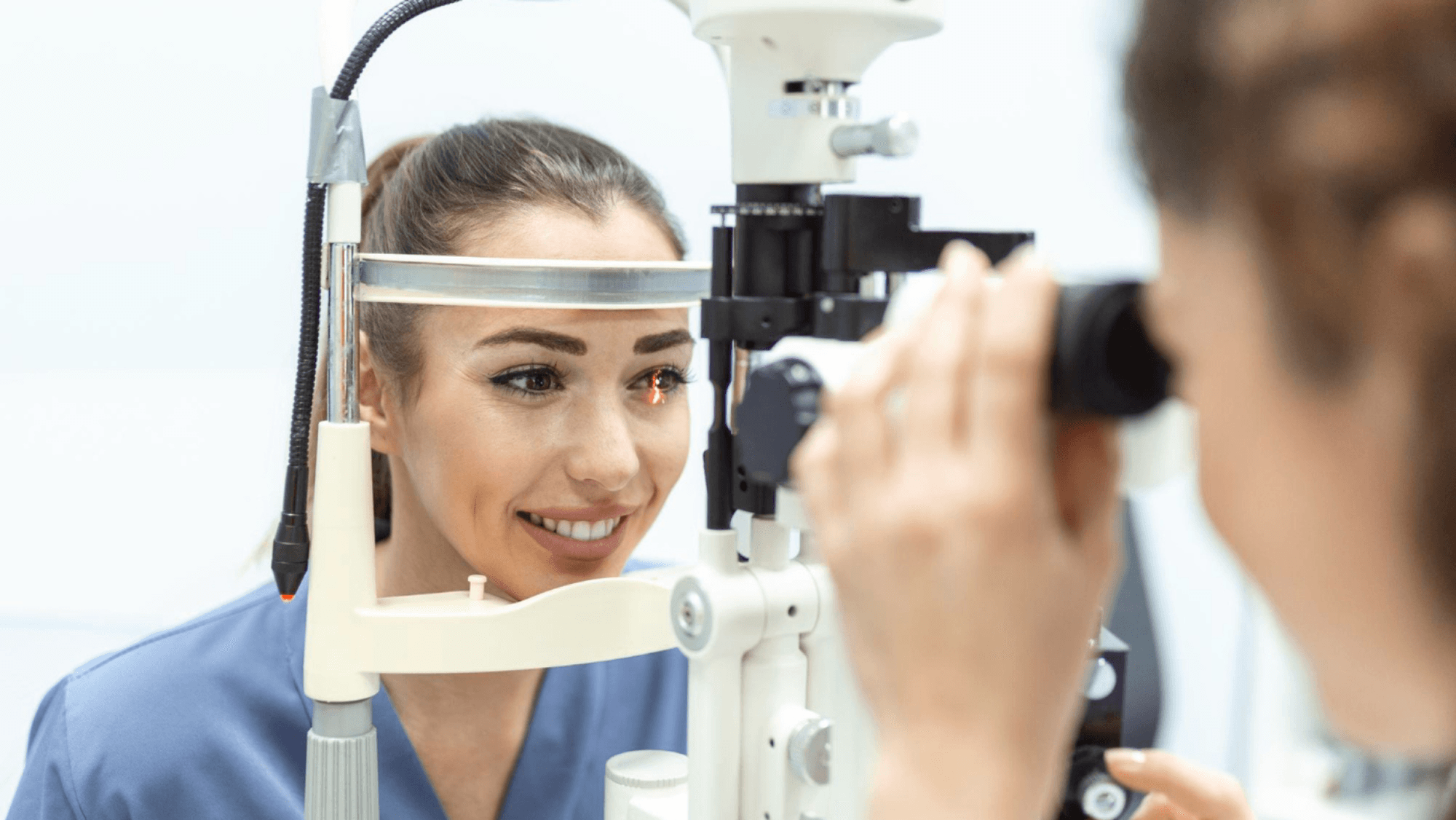
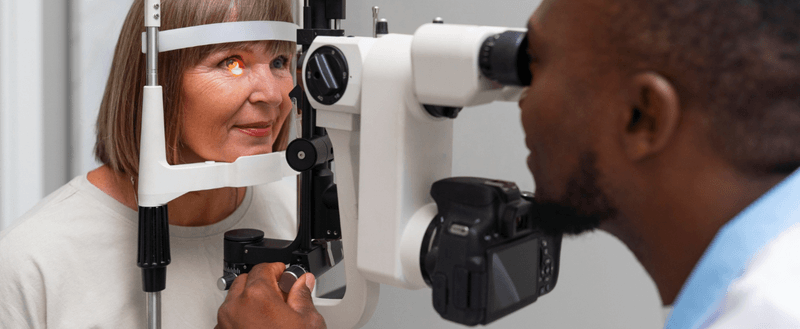
For detection of glaucoma your eye specialist will perform a comprehensive eye examination to examine the eye pressure, drainage channels of your eye and optic nerves.

Additional tests you will have include:

  • Visual field test: This test assesses your peripheral vision. It helps your eye care professional tell if you have lost peripheral vision, a sign of glaucoma.
  • OCT (Optical Coherence Tomography) scan: This test assesses the amount of neural tissue present in your optic nerve and the population of neural cells (ganglion cells) in the retina. The OCT and visual field test forms an integral part of documenting the structure and functional changes caused by glaucoma. It is important for diagnosis of glaucoma as well as assessing whether there has been any progression.
  • Optic nerve photography: This is a special photograph of the optic nerve to document its appearance for future reference.

Can glaucoma be cured?

The peripheral vision lost from glaucoma cannot be restored. There is no cure for glaucoma, however if the eye pressure (IOP) is lowered to a safe level then glaucoma will not progress.


What is a safe eye pressure for you may be different to other people. Many factors need to be taken into consideration including your age and the degree of existing glaucoma damage. Your eye specialist will advise you on the eye pressure that is safe for your eye (known as the target eye pressure).

Treatment for glaucoma

The aim of these treatments is to prevent progression of your glaucoma by achieving a pressure that is safe for the eye.

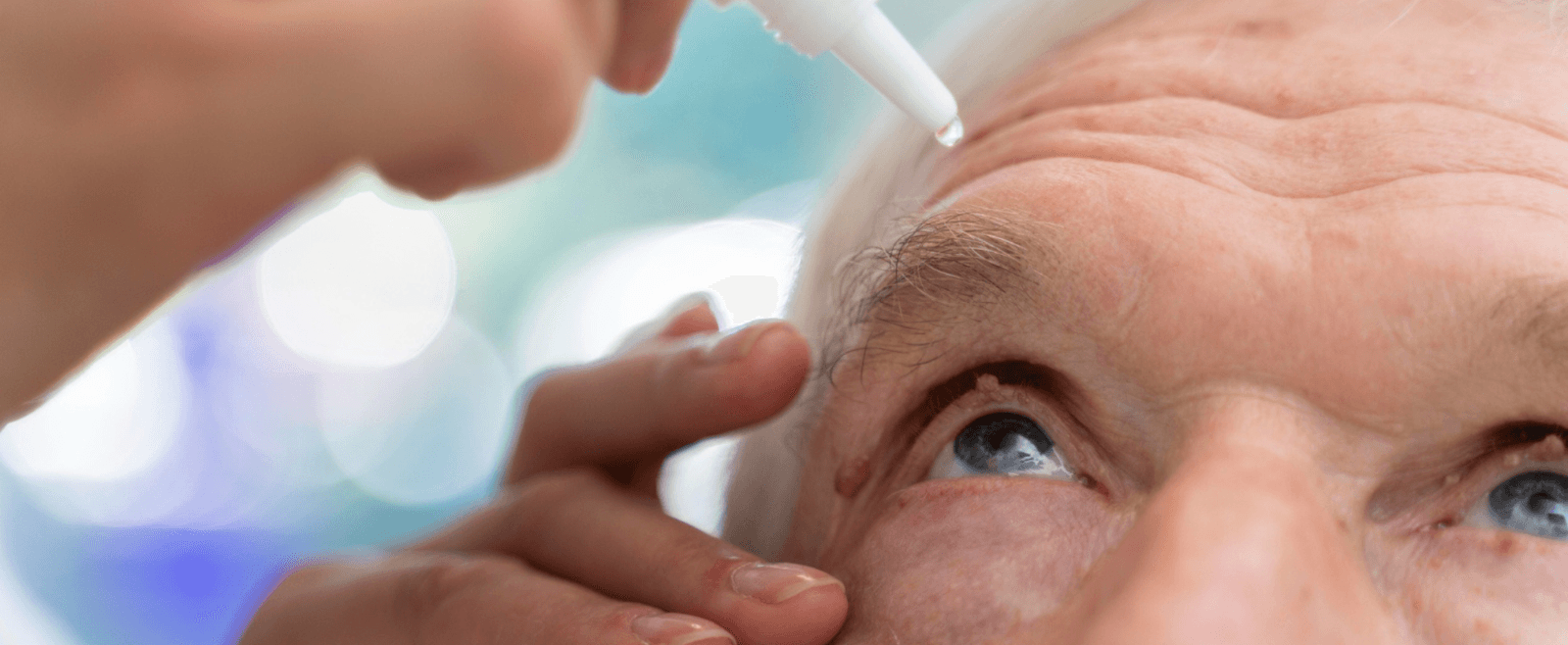
  • Eye drops – These are the most common form of treatment for glaucoma. Patients will need to use these on a daily basis and therefore compliance is important.
  • Selective Laser Trabeculoplasty (SLT) – SLT is a non-invasive laser procedure that treats the drainage channels in the eye to encourage greater fluid flow. It can be in addition to, or instead of eye drops.
  • Minimally Invasive Glaucoma surgery (MIGS) – MIGS involves various micro devices to allow fluid drainage out of the eye with less trauma and post-operative complications than conventional surgery. The long-term effectiveness of these procedures is not clear.
  • Conventional surgery (Trabeculectomy or Tube shunt operation) – These are drainage procedures performed when medical, laser therapy or MIGS have failed. The long-term effectiveness of these procedures are well established however post-operative complications are significant.
  • Cyclodiode laser – Cyclodiode laser treatment is commonly used in intractable glaucoma or eyes with poor vision.

Glaucoma and Cataract Surgery

If your vision feels different, don’t wait until it becomes unbearable. A straightforward assessment can confirm whether cataracts are the main driver and what options make sense for you.

How Cataract Surgery Can Affect Eye Pressure

Cataract surgery can lower eye pressure in some people, particularly if the drainage angle is narrow. In others, glaucoma treatment is still needed before and after surgery. If cataracts are also part of your picture, you can read more about cataract assessment and surgery.

Combining Cataract Surgery With MIGS

For suitable patients, combining cataract surgery with MIGS can reduce pressure and may reduce reliance on drops. Whether this is appropriate depends on glaucoma severity, eye anatomy, and your target pressure.

Why Choose City Eye Surgeons for Glaucoma Care

Comprehensive Glaucoma Assessment and Monitoring

 
Comprehensive Glaucoma Assessment and Monitoring

Glaucoma is a condition where details matter. A thorough baseline assessment and consistent monitoring plan help protect vision long-term.

Full Range of Medical, Laser and Surgical Options

We can discuss medical therapy, laser options, and surgical pathways when appropriate, based on the glaucoma type and your individual risk profile.

Long-Term Management and Continuity of Care

Glaucoma care is not a one-off visit. Ongoing follow-up and a clear plan make a big difference in staying stable over time.

Book a Glaucoma Assessment in Melbourne
 

If you would like a glaucoma assessment, you can review what to expect and how to prepare via your appointment. Please bring a list of current eye drops and medications, any previous scan results or visual fields (if you have them), and details of any family history of glaucoma.


FAQs about Glaucoma

What is the difference between glaucoma and high eye pressure?

High eye pressure (ocular hypertension) means the pressure is elevated but there is no proven optic nerve damage. Glaucoma means there is optic nerve damage and/or characteristic visual field loss, which can occur with high or normal pressure.

Most chronic glaucoma does not cause headaches. Acute angle closure can cause severe headache with eye pain and nausea, and needs urgent treatment.

Usually no. Drops control pressure but do not “fix” the underlying tendency. Any change should be made with your specialist so pressure remains safe.

It depends on your risk level and stability. Some people need more frequent checks early on or if progression is suspected, then less often once stable.

Untreated glaucoma can lead to progressive, permanent vision loss, often starting with peripheral vision and potentially affecting central vision later.

Glaucoma

Freedom from glasses starts here.

Glaucoma is a group of eye conditions that damage the optic nerve, the cable that carries visual information from your eye to your brain. It is often linked to higher than normal eye pressure, but not always. Glaucoma matters because it can develop quietly, with no obvious symptoms in the early stages, and any vision loss that occurs is permanent. The good news is that with early diagnosis and the right treatment plan, glaucoma can often be controlled and progression can be slowed significantly.

What is glaucoma

Glaucoma is diagnosed based on optic nerve changes and functional vision testing, not just a single eye pressure reading. Understanding how glaucoma affects vision helps explain why regular screening and ongoing monitoring are so important.

How glaucoma affects the optic nerve

Glaucoma damages the optic nerve fibres over time. Because the nerve fibres responsible for peripheral vision are often affected first, many people do not notice any change early on. Central vision can stay clear until the disease is more advanced, which is why regular testing is so important. Without treatment, the field of vision can gradually narrow.

Is glaucoma the same as high eye pressure

Not exactly. High eye pressure is called ocular hypertension, and some people with ocular hypertension never develop glaucoma. On the other hand, some people develop glaucoma even when their eye pressure is in the normal range. This is known as normal tension glaucoma. Glaucoma is diagnosed based on optic nerve damage and/or characteristic visual field changes, not on pressure alone.
Types of glaucoma we diagnose and treat
Glaucoma is not one single condition. The type matters because it affects urgency, testing focus, and treatment choices.

Primary open angle glaucoma

This is the most common form. The drainage angle is open, but the fluid does not drain efficiently enough, so pressure can build over time and slowly damage the optic nerve.

Angle closure glaucoma

Angle closure happens when the drainage angle becomes narrow or blocked, preventing fluid from leaving the eye.

  • Acute angle closure can cause a sudden spike in pressure and severe symptoms. This is an emergency.
  • Chronic angle closure develops more gradually and can be picked up during an eye examination before an attack occurs.

Secondary glaucoma

Secondary glaucoma is caused by another factor affecting drainage or pressure. Examples include inflammation inside the eye, previous trauma, pigment dispersion, and a steroid response (from steroid drops, tablets, or inhalers).

Glaucoma symptoms and warning signs

Many people expect glaucoma to cause pain or noticeable blur early, but that is not usually the case. Knowing the difference between slow, symptom-free glaucoma and an acute attack is important.

Early glaucoma symptoms

In many cases, there are no symptoms at the start. Any changes tend to be subtle and may include gradual loss of peripheral vision that is easy to miss day to day.

Symptoms of acute angle closure

Acute angle closure can cause:

  • Sudden eye pain and redness
  • Blurred vision and halos around lights
  • Headache, nausea, or vomiting

If these symptoms occur, seek urgent care immediately.

Glaucoma risk factors

Who is more likely to develop glaucoma

Risk is higher if you have one or more of the following:

  • Increasing age
  • Family history of glaucoma
  • Higher eye pressure
  • Thinner corneas
  • Certain ethnic backgrounds (risk can vary by glaucoma type)
  • Higher levels of short-sightedness
  • Diabetes or vascular factors in some patients

If you have diabetes, it is also worth understanding retina-related risks such as diabetic retinopathy, which can affect vision in different ways.

Medications and conditions that can increase eye pressure

Steroids are a common trigger for raised pressure in susceptible people, including steroid eye drops, tablets, injections, creams used around the eyes, and some inhalers. Previous eye injury, inflammation, and certain eye conditions can also increase risk.

Glaucoma testing and diagnosis

Visual field testing

Visual field testing checks how well you see in your peripheral vision. It is one of the most important tools for monitoring glaucoma because it measures functional vision, not just structure.

OCT and imaging for glaucoma

OCT imaging can measure the retinal nerve fibre layer and ganglion cell complex. This can help detect early glaucoma changes and confirm whether treatment is keeping things stable.

Angle assessment and corneal thickness

Gonioscopy checks whether the drainage angle is open or narrow, which guides diagnosis and treatment decisions. Pachymetry measures corneal thickness because it can influence pressure readings and help inform a realistic target pressure.

Glaucoma diagnosis is built from several pieces of information collected over time. The goal is to confirm whether glaucoma is present, establish a baseline, and then track for change.

Eye pressure checks

Eye pressure is measured with tonometry. One reading is not enough to diagnose glaucoma because pressure can vary throughout the day and from visit to visit. Trends over time matter.

Optic nerve assessment

Your specialist will examine the optic nerve closely and may use imaging to document its shape and nerve fibre appearance. This helps detect early damage and track changes over time.

Glaucoma treatment options

Treatment focuses on lowering eye pressure to a level that is safer for the optic nerve. The best option depends on glaucoma type, severity, and how stable the optic nerve and visual fields are over time.

Glaucoma eye drops

Eye drops are commonly used to lower eye pressure by reducing fluid production or improving drainage. Consistent daily use matters. Side effects vary depending on the drop type and can include stinging, redness, or dry eye symptoms, so it is important to tell your doctor if anything feels off.

Laser treatment for glaucoma

Laser options may be used to lower pressure or reduce the need for drops.

  • SLT (Selective Laser Trabeculoplasty) is commonly used for open angle glaucoma to improve drainage.
  • Laser iridotomy can be used if the angle is narrow or at risk of closure.

Minimally invasive glaucoma surgery (MIGS)

MIGS procedures are designed to lower eye pressure with a smaller surgical footprint than traditional glaucoma surgery. They are often considered at the time of cataract surgery in suitable patients, depending on glaucoma type and target pressure needs.

Glaucoma surgery

When drops and laser are not enough, surgery may be recommended. This can include trabeculectomy or drainage implants (tubes). These procedures aim to create a new pathway for fluid to leave the eye and protect the optic nerve from further damage.

What to expect from glaucoma treatment

Treatment depends on your prescription, symptoms, corneal shape, and lifestyle goals. Some people want the sharpest possible correction for work and driving, while others are mainly trying to reduce the hassle of glasses or contacts.aGlaucoma care is a long-term plan, not a one-time fix. The focus is stability, protecting the optic nerve, and catching progression early if it occurs.

Setting a target eye pressure

A “safe” pressure is different for each person. Your target is based on optic nerve health, visual field results, rate of change (if any), and individual risk factors. The goal is stability over time.

Ongoing monitoring and follow-up

Glaucoma care is long-term. Follow-up usually includes repeat pressure checks, optic nerve review, OCT imaging, and visual field testing at intervals based on your level of risk and stability. Regular reviews help catch change early.

Can glaucoma be cured

There is no cure, and vision that has been lost cannot be restored. Treatment is focused on preserving the vision you have and reducing the risk of further loss.

Living with glaucoma

Most people with glaucoma live full lives, but success depends on daily habits and ongoing reviews. Small practical steps can make treatment easier and more effective.

Using eye drops correctly

A few practical habits can make drops easier and more effective:

  • Use the drop at the same time each day
  • If you use more than one drop, leave a gap of a few minutes between them
  • Try gentle eyelid closure after instilling drops to reduce runoff
  • If you miss doses often, tell your doctor so the plan can be simplified where possible

Driving and vision

Glaucoma can affect peripheral vision, which matters for driving safety. If you notice changes, or if you are unsure about your vision standards, discuss it early so you can get clear advice and appropriate testing.

Protecting your long-term eye health

Keep your appointments, stick with your treatment plan, and report side effects rather than pushing through them. Glaucoma is often manageable, but it relies on consistent follow-up.

Glaucoma and cataract surgery

It is common for glaucoma and cataracts to overlap, especially as people get older. If both are present, planning can involve pressure goals as well as vision goals.

How cataract surgery can affect eye pressure

Cataract surgery can lower eye pressure in some people, particularly if the drainage angle is narrow. In others, glaucoma treatment is still needed before and after surgery. If cataracts are also part of your picture, you can read more about cataract assessment and surgery .

Combining cataract surgery with MIGS

For suitable patients, combining cataract surgery with MIGS can reduce pressure and may reduce reliance on drops. Whether this is appropriate depends on glaucoma severity, eye anatomy, and your target pressure.

Why choose City Eye Surgeons for glaucoma care

Long-term management and continuity of care

Glaucoma care is not a one-off visit. Ongoing follow-up and a clear plan make a big difference in staying stable over time.

Comprehensive glaucoma assessment and monitoring

Glaucoma is a condition where details matter. A thorough baseline assessment and consistent monitoring plan help protect vision long-term.

Full range of medical, laser and surgical options

We can discuss medical therapy, laser options, and surgical pathways when appropriate, based on the glaucoma type and your individual risk profile.

FAQs

What is the difference between glaucoma and high eye pressure?
High eye pressure (ocular hypertension) means the pressure is elevated but there is no proven optic nerve damage. Glaucoma means there is optic nerve damage and/or characteristic visual field loss, which can occur with high or normal pressure.
Most chronic glaucoma does not cause headaches. Acute angle closure can cause severe headache with eye pain and nausea, and needs urgent treatment.
Usually no. Drops control pressure but do not “fix” the underlying tendency. Any change should be made with your specialist so pressure remains safe.
It depends on your risk level and stability. Some people need more frequent checks early on or if progression is suspected, then less often once stable.
Untreated glaucoma can lead to progressive, permanent vision loss, often starting with peripheral vision and potentially affecting central vision later.

Book a glaucoma assessment in Melbourne

If you would like a glaucoma assessment, you can review what to expect and how to prepare via your appointment. Please bring a list of current eye drops and medications, any previous scan results or visual fields (if you have them), and details of any family history of glaucoma.

Rediscover clearer vision