03 9070 0955 03 9070 0955

Diabetic retinopathy

Freedom from glasses starts here.

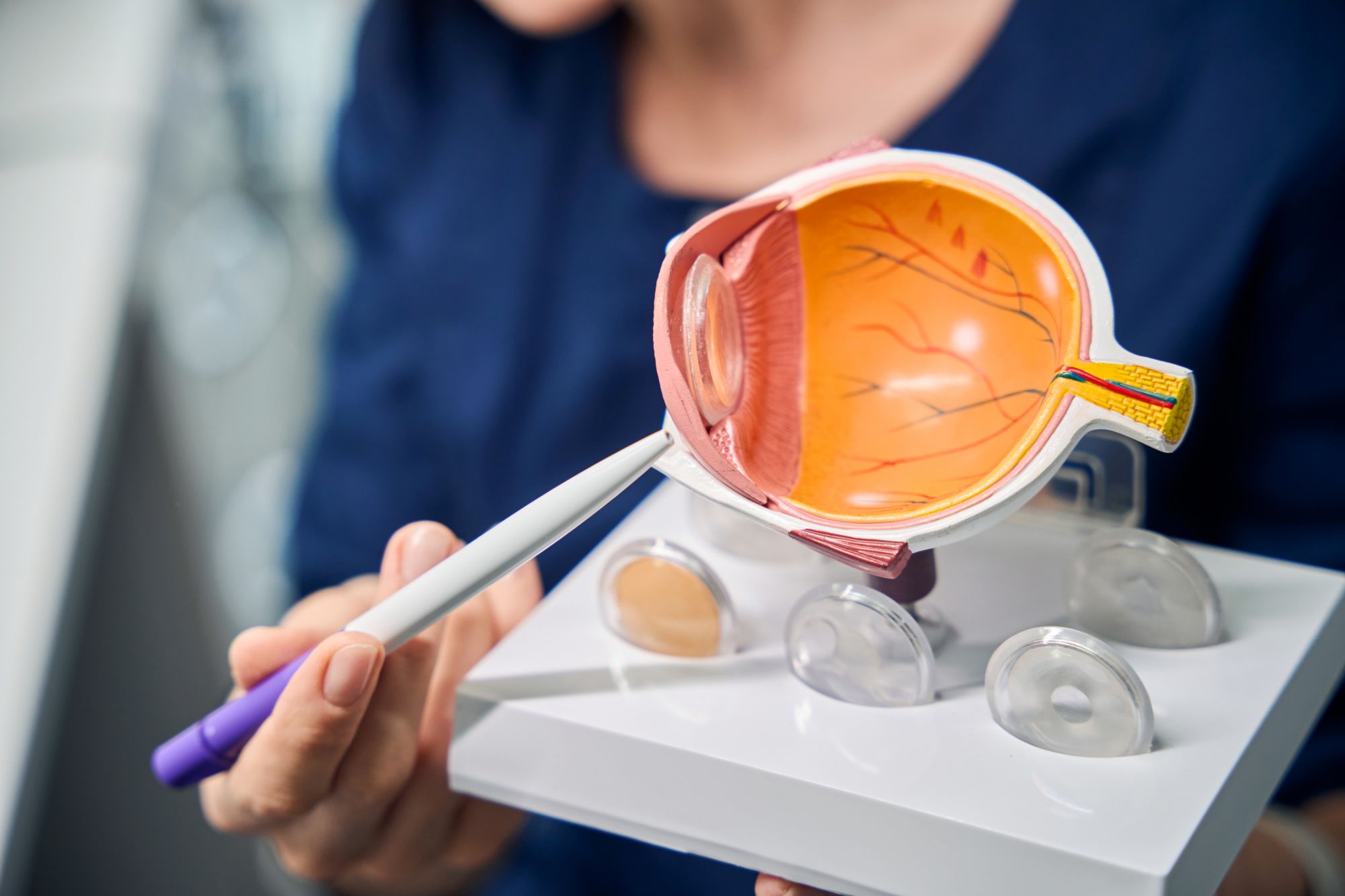
Diabetic retinopathy is diabetes related damage to the small blood vessels in the retina, the light sensitive layer at the back of the eye.

Diabetic retinopathy

Diabetic retinopathy is diabetes related damage to the small blood vessels in the retina, the light sensitive layer at the back of the eye. It can develop slowly and quietly, but over time it can affect vision and, in advanced cases, threaten sight. The good news is that early detection, regular monitoring, and timely treatment can do a lot to protect your long term vision. If you are reviewing other common conditions we manage alongside retinal disease, you can also browse our full list of eye conditions.
What is diabetic retinopathy

Diabetic retinopathy happens when high blood sugar levels damage retinal blood vessels. These vessels can weaken, leak fluid or blood, or stop supplying enough oxygen to the retina. The retina then tries to compensate by growing abnormal new vessels, which are fragile and more likely to bleed.

How diabetes affects the retina

Over time, diabetes can cause vessel leakage, swelling, and poor circulation in the retina. That can lead to tiny haemorrhages, fatty deposits, and areas of retinal ischemia where oxygen supply is reduced. The longer you have diabetes, and the higher your HbA1c tends to run, the more likely these changes become, which is why routine screening matters even when vision feels normal.

Diabetic retinopathy vs diabetic macular oedema

Diabetic retinopathy refers to blood vessel changes across the retina. Diabetic macular oedema or DMO, is swelling in the macula, the part of the retina responsible for sharp central vision. Macular swelling can happen at different stages of retinopathy and is a common reason people notice blurred or distorted vision.
Happy Asian businesswoman communicating on cell phone while walking through city park.

Stages of diabetic retinopathy

Diabetic retinopathy is usually described in stages. The stage helps guide how closely we monitor you and whether treatment is needed right now.

Mild to moderate non proliferative diabetic retinopathy

This is the early stage where small vessel changes develop, such as microaneurysms and minor bleeding. Many people have no symptoms at this stage, which is why screening is so important

Severe non proliferative diabetic retinopathy

As retinopathy progresses, circulation becomes more compromised. There may be more widespread bleeding and signs that the retina is not getting enough oxygen. This stage carries a higher risk of developing proliferative disease.

Proliferative diabetic retinopathy

Proliferative diabetic retinopathy occurs when the retina grows abnormal new blood vessels. These vessels can bleed into the vitreous, cause scarring, and pull on the retina. In some cases, that traction can lead to a retinal detachment, which is a vision threatening complication that often needs urgent care.
diabetic2

Symptoms and warning signs

Symptoms do not always show up early, which is why people with diabetes should not rely on vision alone as a sign that everything is fine.

Early symptoms (often none)

In the early stages, you may feel like your sight is normal. Retinal changes can still be present, and they can progress without pain or obvious warning. Regular reviews help catch changes early, when options are often simpler.

Vision changes that need prompt review

Blurred or fluctuating vision, new floaters, dark patches, or distortion can be a sign of macular swelling or bleeding. If you notice changes like this, it is worth being checked sooner rather than waiting for your next routine appointment. Sometimes blurred vision can also overlap with other retinal problems such as macular degeneration, so an accurate diagnosis matters.

Urgent symptoms

Sudden vision loss, a curtain like shadow over vision, or a sudden shower of floaters can be a sign of significant bleeding or retinal detachment. These symptoms need urgent assessment.

Who is at risk

Anyone with type 1 or type 2 diabetes can develop diabetic retinopathy. Risk increases as the duration of diabetes increases, but there are several factors that affect how quickly changes may develop.

Diabetes duration and blood sugar control

Longer duration of diabetes is one of the biggest risk factors. In general, higher average blood sugar levels and higher HbA1c are linked with higher risk of retinopathy and faster progression. Consistent control helps, but it does not remove risk entirely, which is why screening remains important.

Blood pressure and cholesterol

Retinal blood vessel health is closely tied to overall vascular health. High blood pressure and elevated cholesterol can increase the risk of retinal damage and can make progression more likely.

Pregnancy and diabetic eye disease

Diabetic eye disease can worsen during pregnancy, particularly if you already have retinopathy. Many people need closer monitoring during pregnancy and in the months after delivery, depending on their baseline retinal health.

How diabetic retinopathy is diagnosed

Diagnosis is based on a careful retinal assessment and imaging that helps us document changes and track progression over time.

Dilated eye examination

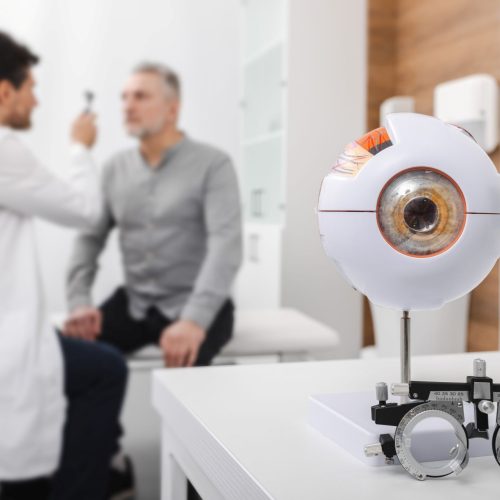
A dilated retinal exam allows a close look at the retina to check for bleeding, swelling, vessel changes, and any signs of abnormal new vessel growth.

Retinal photography

Retinal photos create a baseline record of what the retina looks like today so changes can be compared over time. This can be particularly helpful if you are being monitored regularly.

OCT Scan

OCT is a scan that maps the retina in cross section. It is especially useful for detecting macular swelling and subtle changes in the macula that may not be obvious on examination alone.

Fluorescein angiography (when needed)

In some cases, a dye test is used to map blood flow and leakage. This can help guide treatment decisions, particularly when we need more detail about areas of ischemia or active leakage.

Treatment options for diabetic retinopathy

Treatment depends on the stage of retinopathy, whether macular oedema is present, and whether there are signs of proliferative disease.

Monitoring and prevention in early stages

In early stages, the focus is often on monitoring and prevention. That means a review schedule based on your risk and retinal findings, plus coordination with your GP or endocrinologist to optimise blood sugar, blood pressure, and cholesterol control.

Anti VEGF injections for diabetic macular oedema

If macular oedema is affecting vision or there are signs it is likely to worsen, anti VEGF injections can help reduce leakage and swelling to protect central vision. Treatment is usually planned as a course with regular reviews, rather than a one off fix.

Steroid treatment (selected cases)

Steroid therapy may be considered in selected cases, particularly when macular swelling does not respond well to first line options or where there are specific clinical reasons to use it. Because steroids can raise eye pressure in some people, monitoring is an important part of the plan, especially for people with or at risk of glaucoma.

Laser treatment

Laser treatment is used in different ways depending on the problem being treated. Focal or grid laser may be used in selected cases of macular leakage. Panretinal photocoagulation, often called PRP, is commonly used for proliferative diabetic retinopathy to reduce the risk of bleeding and serious complications.

Vitrectomy surgery

Vitrectomy surgery may be recommended if there is a non-clearing vitreous haemorrhage, significant traction, or retinal detachment risk. The aim is to clear blood from the eye, relieve traction, and treat the underlying retinal disease to help preserve vision.

What to expect with ongoing 
diabetic eye care

Diabetic eye care is typically long term. The goal is to detect change early, treat when needed, and keep your vision as stable as possible.
Close Up Portrait Of Active Senior Man With Backpack Hiking In Countryside

How often you’ll need checks

Follow up frequency depends on the stage of retinopathy, the presence of macular oedema, and other risk factors. Some people may only need annual screening, while others need more frequent reviews.

Anaesthetic and hospital process

Depending on the procedure and your health factors, treatment may be performed as day surgery or may require admission. Anaesthetic options vary and can include local anaesthetic with sedation or general anaesthetic, depending on the procedure and what is safest and most appropriate.

How we track change over time

We track change using your symptom history, vision testing, retinal exam findings, and imaging like photographs and OCT. Comparing results over time helps guide whether monitoring is enough or whether treatment should start or change.

Coordinated care with your diabetes team

Eye treatment works best alongside good systemic management. Keeping blood sugar, blood pressure, and cholesterol as controlled as possible supports the work being done at the retinal level and can reduce progression risk.

Diabetic retinopathy complications

Diabetic eye disease can lead to several complications. These are not inevitable, but they are important to understand so warning signs are taken seriously.

Diabetic macular oedema

Macular oedema is swelling in the macula that can blur or distort central vision. It can occur at different stages of retinopathy and is a common reason for treatment.

Vitreous haemorrhage

Fragile abnormal vessels can bleed into the vitreous, causing sudden floaters, haze, or significant vision loss. Some bleeds clear on their own, but others need treatment or surgery depending on severity and recurrence.

Tractional retinal detachment

Intraocular lenses are designed to be long-lasting and do not “wear out” like a natural lens can. Some people develop a cloudy membrane behind the lens implant months or years later, which can feel like the cataract has returned, but it is a separate issue and is treatable.

Neovascular glaucoma

In advanced cases, abnormal new vessels can grow in the drainage angle of the eye and cause a dangerous rise in eye pressure. This is a serious complication that needs urgent specialist management.

Why choose City Eye Surgeons for retinal detachment care

Diabetic eye disease needs careful monitoring and consistent follow up. We focus on thorough assessment, clear treatment planning, and practical guidance so you know what is happening and what comes next.

Comprehensive imaging and monitoring

We use structured imaging and review plans to track changes early and guide decision making over time.

Access to medical, laser and surgical treatments

Care is planned based on what your retina needs, from monitoring through to injections, laser, or surgery when appropriate.

Clear follow up plans and support

You will be given a clear follow up plan, including what symptoms should trigger earlier review and how to get in touch if your vision changes.

FAQs

Can diabetic retinopathy be reversed?
In many cases, early changes can be stabilised and progression can be slowed with good systemic control and the right eye care plan. Established damage may not fully reverse, which is why early detection matters.
It depends on your diabetes history and retinal findings. Some people need yearly screening, while others need more frequent reviews based on risk and stage.
New floaters, blurred or fluctuating vision, distortion, dark patches, or a sudden drop in vision should be checked promptly, especially if changes develop quickly.
Severe diabetic retinopathy can lead to major vision loss if untreated. Regular screening and timely treatment are key to reducing this risk.

Rediscover clearer vision