Freedom from glasses starts here.
How glaucoma affects the optic nerve
Glaucoma damages the optic nerve fibres over time. Because the nerve fibres responsible for peripheral vision are often affected first, many people do not notice any change early on. Central vision can stay clear until the disease is more advanced, which is why regular testing is so important. Without treatment, the field of vision can gradually narrow.
Is glaucoma the same as high eye pressure
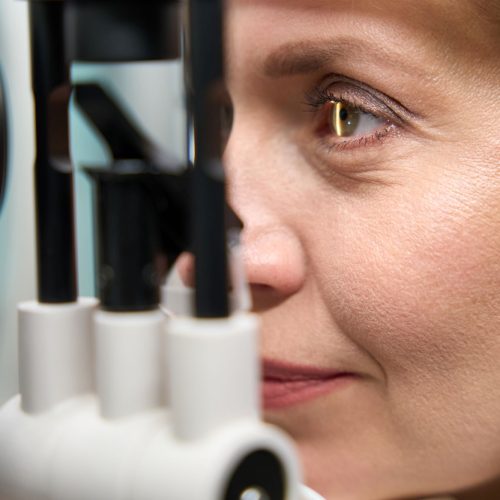
Angle closure happens when the drainage angle becomes narrow or blocked, preventing fluid from leaving the eye.
Acute angle closure can cause:
If these symptoms occur, seek urgent care immediately.
Lens choice is one of the most important parts of planning because it influences how often you may still use glasses afterwards. No lens is “best” for everyone. The goal is to match lens choice to your eyes and how you live.
Who is more likely to develop glaucoma
Risk is higher if you have one or more of the following:
If you have diabetes, it is also worth understanding retina-related risks such as diabetic retinopathy, which can affect vision in different ways.
Medications and conditions that can increase eye pressure
Eye pressure checks
Eye pressure is measured with tonometry. One reading is not enough to diagnose glaucoma because pressure can vary throughout the day and from visit to visit. Trends over time matter.
Optic nerve assessment
Your specialist will examine the optic nerve closely and may use imaging to document its shape and nerve fibre appearance. This helps detect early damage and track changes over time
Visual field testing
Visual field testing checks how well you see in your peripheral vision. It is one of the most important tools for monitoring glaucoma because it measures functional vision, not just structure.
OCT and imaging for glaucoma
OCT imaging can measure the retinal nerve fibre layer and ganglion cell complex. This can help detect early glaucoma changes and confirm whether treatment is keeping things stable.
Angle assessment and corneal thickness
Gonioscopy checks whether the drainage angle is open or narrow, which guides diagnosis and treatment decisions. Pachymetry measures corneal thickness because it can influence pressure readings and help inform a realistic target pressure.
Treatment focuses on lowering eye pressure to a level that is safer for the optic nerve. The best option depends on glaucoma type, severity, and how stable the optic nerve and visual fields are over time.
Laser options may be used to lower pressure or reduce the need for drops.
MIGS procedures are designed to lower eye pressure with a smaller surgical footprint than traditional glaucoma surgery. They are often considered at the time of cataract surgery in suitable patients, depending on glaucoma type and target pressure needs.
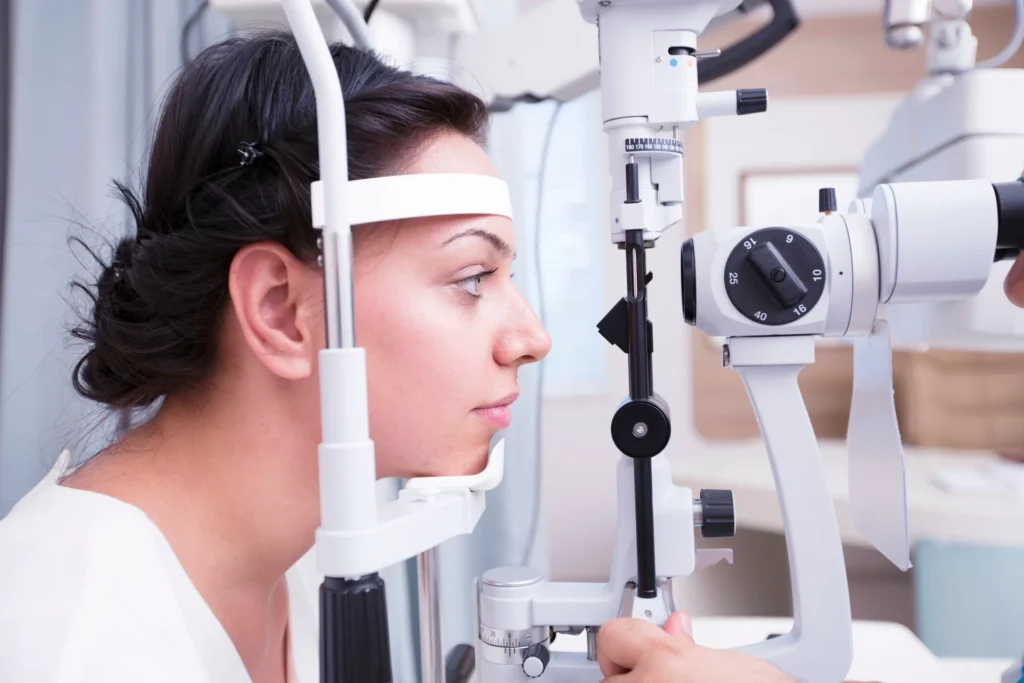
Using eye drops correctly
A few practical habits can make drops easier and more effective:
Driving and vision
Protecting your long-term eye health
Cataract surgery can lower eye pressure in some people, particularly if the drainage angle is narrow. In others, glaucoma treatment is still needed before and after surgery. If cataracts are also part of your picture, you can read more about cataract assessment and surgery.
Rediscover clearer vision

Location: G11-12/566 St Kilda Road, Melbourne VIC 3004
Phone: (03) 9070 0955
Fax: (03) 9978 9426
E-mail: info@cityeyesurgeons.com.au
Copyright © 2025 City Eye Surgeons. All rights reserved. Privacy Policy.