03 9070 0955 03 9070 0955

Cataracts

Freedom from glasses starts here.

Clouding of the eye's natural lens that causes hazy vision, glare, and dull colours over time.

Cataracts

Cataracts are a clouding of the eye’s natural lens. Instead of light passing cleanly through the lens, it becomes scattered, which can make vision look blurry, dull, or more sensitive to glare. Cataracts are very common as we get older and usually develop gradually. Treatment depends on how much your vision changes are affecting daily life, not just what the cataract looks like on an exam.

What are cataracts

Cataracts form when the clear lens inside the eye becomes less transparent. This can happen slowly over years, or faster in some situations, and it affects people differently depending on the type of cataract and the health of the rest of the eye.

How cataracts affect vision

When the lens becomes cloudy, light can’t pass through clearly. That’s why many people notice blur, glare, halos around lights, and reduced contrast (things can look washed out, especially in low light). Cataracts can also make it harder to see fine detail, which is why reading, screens, and night driving often become more frustrating.

What causes cataracts

Age related lens changes are the most common cause. Cataracts can also develop earlier or progress faster in people with diabetes, long term steroid use, a history of eye injury, previous eye surgery, or high UV exposure over time. Often it’s a combination of factors rather than one single trigger.

Are cataracts common

Yes. Cataracts are one of the most common reasons people notice vision quality slipping as they age, and they’re also one of the most treatable causes of reduced vision. If you’re unsure whether your symptoms are cataracts or something else, an eye exam can clarify what’s going on.
24f607dce7ad52c2243e2e7b7cb38dbab41eed63

Cataract symptoms

Cataract symptoms often creep in gradually, so it’s common for people to adapt without realising how much their vision has changed until it starts affecting day to day tasks.

Blurry or hazy vision

Many people describe cataracts as “looking through a fog” or feeling like there’s a smudge they can’t blink away. Glasses may help for a while, but eventually the clarity still doesn’t feel right, even with an updated prescription.

Glare, halos and night driving problems

Glare from headlights, street lights, and harsh indoor lighting is one of the most common complaints. You might notice halos around lights or feel less confident driving at night, even if your vision seems fine during the day.

Colours looking duller

Cataracts can reduce contrast and make colours look less bright or slightly yellowed over time. Some people notice they prefer brighter lighting or feel like rooms are darker than they used to be.

Frequent prescription changes

A classic sign is: “My glasses keep changing.” If you’re needing frequent updates and still not getting the clarity you expect, cataracts may be part of the reason.

Types of cataracts

Cataracts are often described based on where they form in the lens. The type can influence which symptoms show up first.

Nuclear cataracts

These develop in the centre of the lens and often cause gradual distance blur. They can also lead to noticeable prescription shifts over time, sometimes making someone feel like their glasses are constantly changing.

Cortical cataracts

These form in the outer layers of the lens and can create glare, streaks, or scattered light effects. People often notice more issues in bright light or when driving at night.

Posterior subcapsular cataracts

These form at the back surface of the lens and can affect reading and glare early on. They may progress faster than other types, and symptoms can feel more obvious even in the early stages.

When cataracts need treatment

Not every cataract needs immediate surgery. The key question is whether it’s impacting your vision enough to affect your safety, comfort, or daily activities.

When glasses stop helping

In early cataracts, a new prescription may improve vision. Over time, you may find that even updated glasses don’t restore crisp clarity, especially with glare or low contrast tasks.

Daily activities are being affected

Cataracts often become a treatment discussion when they start interfering with driving, reading, work, recognising faces, sport, or hobbies. If you’re avoiding certain situations because your vision feels unreliable, that’s important information to bring to your appointment.

Do cataracts need to be “ripe”

No. You don’t need to “wait until they’re ripe.” Timing is usually based on how much they’re affecting your life and daily activities. Waiting too long can sometimes make surgery more difficult, so it’s worth getting clear guidance rather than pushing through for years.
Group 1707484469 (13)

How cataracts are diagnosed

Cataracts are diagnosed through a detailed eye exam, but a good assessment also checks for other issues that could affect your vision or influence the best treatment plan.

Comprehensive eye examination

This typically includes vision testing and a slit lamp exam to assess the lens. Your ophthalmologist will also ask about symptoms like glare, night driving, and how much your daily life is being impacted.

Checking overall eye health

It’s important to check the retina, macula, and optic nerve, because cataracts aren’t the only cause of blurry vision. A person can have cataracts and another condition at the same time, which can affect expected outcomes and follow up planning. If you have known conditions like glaucoma or macular degeneration, this part of the assessment is especially important.

Cataract treatment options

Treatment depends on severity, symptoms, and what you need visually for work and life. Many people manage well with glasses for a period before surgery becomes the best option.

Updating glasses in early cataracts

This typically includes vision testing and a slit lamp exam to assess the lens. Your ophthalmologist will also ask about symptoms like glare, night driving, and how much your daily life is being impacted.

Cataract surgery (definitive treatment) ​

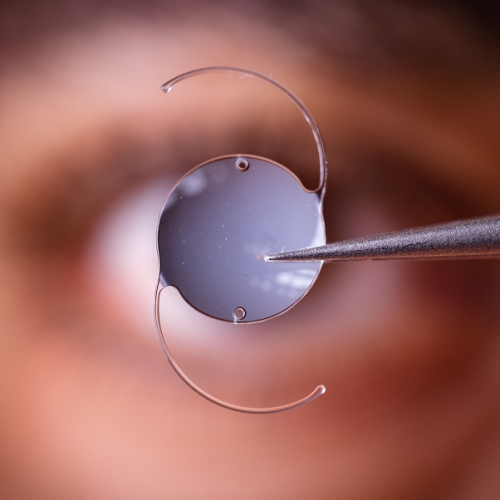
Cataract surgery removes the cloudy natural lens and replaces it with an intraocular lens (IOL). This is the definitive treatment when cataracts are affecting quality of life. For a detailed overview, visit our cataract surgery page.

Lens options

Lens choice can influence how you see after surgery, including whether you’ll still need glasses for reading or distance. Options may include monofocal lenses and premium options like multifocal or EDOF lenses when appropriate. You can learn more about these options on our multifocal and EDOF lenses page.

When to book an eye check

If your vision feels different, don’t wait until it becomes unbearable. A straightforward assessment can confirm whether cataracts are the main driver and what options make sense for you.

Increasing glare at night, dull or hazy vision, needing brighter light, and frequent prescription changes are all common reasons to book. If you’re finding yourself avoiding night driving or struggling with screens and reading despite updated glasses, it’s worth getting checked.

Why choose City Eye Surgeons 
for cataract care

Cataract care is not just about diagnosing a cloudy lens. It’s about understanding what’s driving your symptoms, checking the health of the rest of the eye, and helping you choose timing and lens options that fit your lifestyle.

Accurate diagnosis and clear advice on timing

We look at how cataracts are affecting you day to day, not just how they appear on examination. That helps you make decisions based on real function, like driving confidence, reading comfort, and work demands.

Lens guidance based on lifestyle

If you’re considering reducing glasses dependence, lens selection matters. We’ll talk through how different lens types may affect reading, screens, night driving, and hobbies, so expectations are clear before you commit.

Ongoing monitoring and post-treatment support

Whether you’re monitoring early cataracts or moving forward with surgery, follow up and ongoing eye health checks help protect your long term vision and detect other conditions early.

FAQs

What are the first signs of cataracts?
Common early signs include increased glare at night, slight haze or dullness, reduced contrast, and needing brighter light to read. Some people mainly notice frequent prescription changes or that colours look less vivid.
Early cataracts can often be managed with updated glasses and better lighting for a period of time. Surgery is the only definitive treatment, but may be considered when symptoms start affecting daily life.
Timing is usually based on how much cataracts are affecting your life and whether glasses still give you functional vision. You don’t need to wait for cataracts to be “ripe.”
Yes. Night glare and halos around lights are very common cataract symptoms and are often one of the main reasons people seek assessment.
Diabetes is associated with a higher risk of cataracts and may contribute to cataracts developing earlier or progressing faster in some people. Diabetes can also affect the retina, which is why retinal checks remain important.
A true cataract cannot come back once the natural lens is removed. Some people develop capsule clouding behind the implant (posterior capsule opacification), which can be treated with YAG capsulotomy.
“Secondary cataract” usually refers to posterior capsule opacification, where the thin membrane behind the lens implant becomes cloudy. It’s not a cataract returning, and it can often be treated with a quick laser procedure.
Some people still need glasses, depending on the lens chosen. Monofocal lenses often still require reading glasses, while premium lenses may reduce glasses dependence for certain tasks.

Rediscover clearer vision