Freedom from glasses starts here.
Freedom from glasses starts here.
Freedom from glasses starts here.
What causes keratoconus
The exact cause of Keratoconus remains unknown, although it is believed that the predisposition to develop the disease is present at birth. Factors that may increase the risk of developing Keratoconus include:
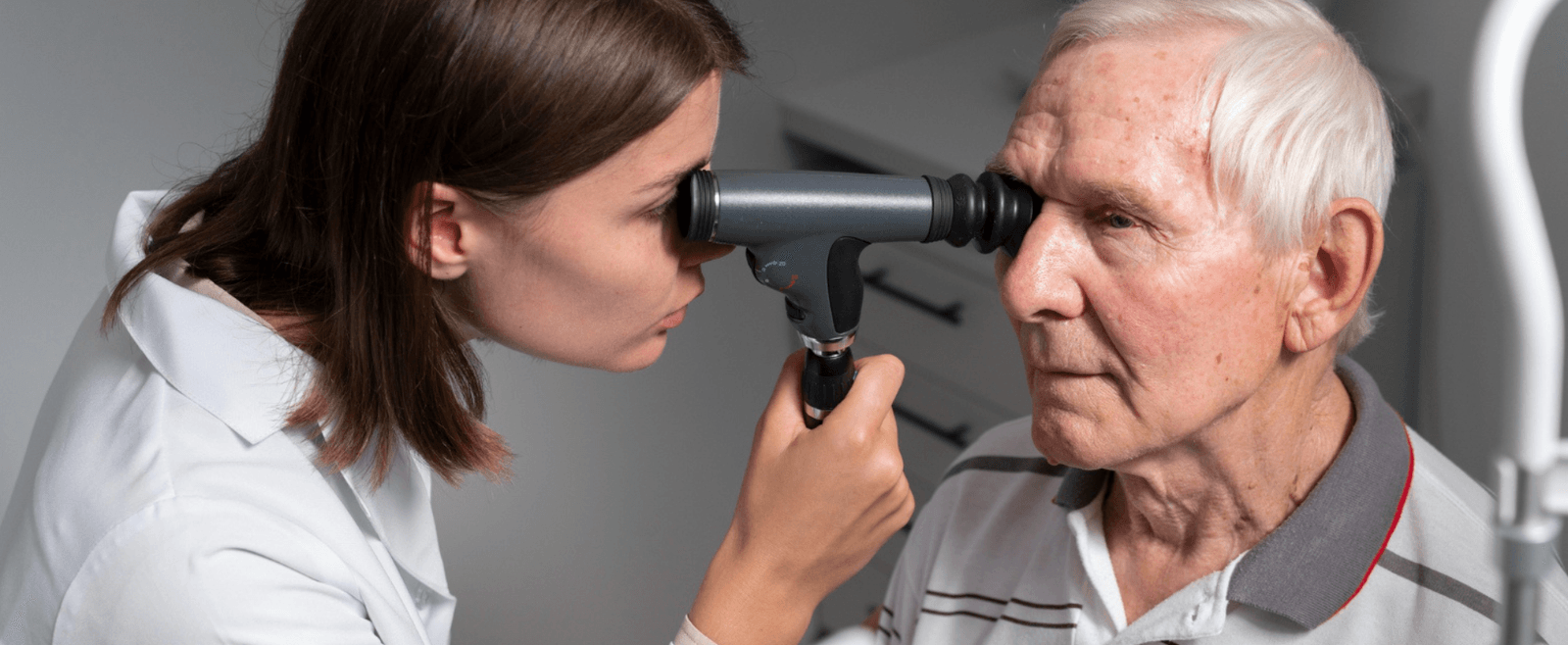
In the early stages of Keratoconus, vision problems can often be corrected with glasses or soft contact lenses. As the condition progresses and the cornea becomes more irregular, you may have to be fitted with hard contact lenses such as rigid gas permeable contact lenses or scleral lenses. If the Keratoconus progresses to an advanced stage, a corneal transplant may be needed to restore sight.
Your pre-operative testing commonly includes:
Cross linking is designed to stabilise corneal shape and progression, especially in keratoconus. A corneal transplant replaces damaged tissue when the cornea is no longer clear or regular enough for usable vision. If you are exploring earlier-stage options, corneal cross linking may be part of that conversation.
The surgical time is usually short, but your total time at the clinic is longer because of preparation, checks before surgery, and monitoring afterwards. You should plan for someone to take you home.
Corneal transplant planning is highly individual. The best outcomes come from detailed assessment, careful technique selection, and long-term follow-up.
Rediscover clearer vision
Rediscover clearer vision

Location: G11-12/566 St Kilda Road, Melbourne VIC 3004
Phone: (03) 9070 0955
Fax: (03) 9978 9426
E-mail: info@cityeyesurgeons.com.au
Copyright © 2025 City Eye Surgeons. All rights reserved. Privacy Policy.