03 9070 0955 03 9070 0955

Freedom from glasses starts here.

Freedom from glasses starts here.

LASIK consultation and pre-operative testing

LASIK eye surgery

Freedom from glasses starts here.

Elevate every view. From sunrise to city lights, enjoy a life where every detail is vivid and effortless.

LASIK eye surgery

LASIK is a type of laser vision correction that reshapes the cornea (the clear front window of the eye) to help light focus more accurately on the retina. The main reason people consider LASIK is to achieve clearer vision with less dependence on glasses or contact lenses.

What is LASIK eye surgery

LASIK is one of the most commonly performed laser vision correction procedures. It is designed to correct refractive error by changing the cornea’s shape in a controlled way.

How LASIK works

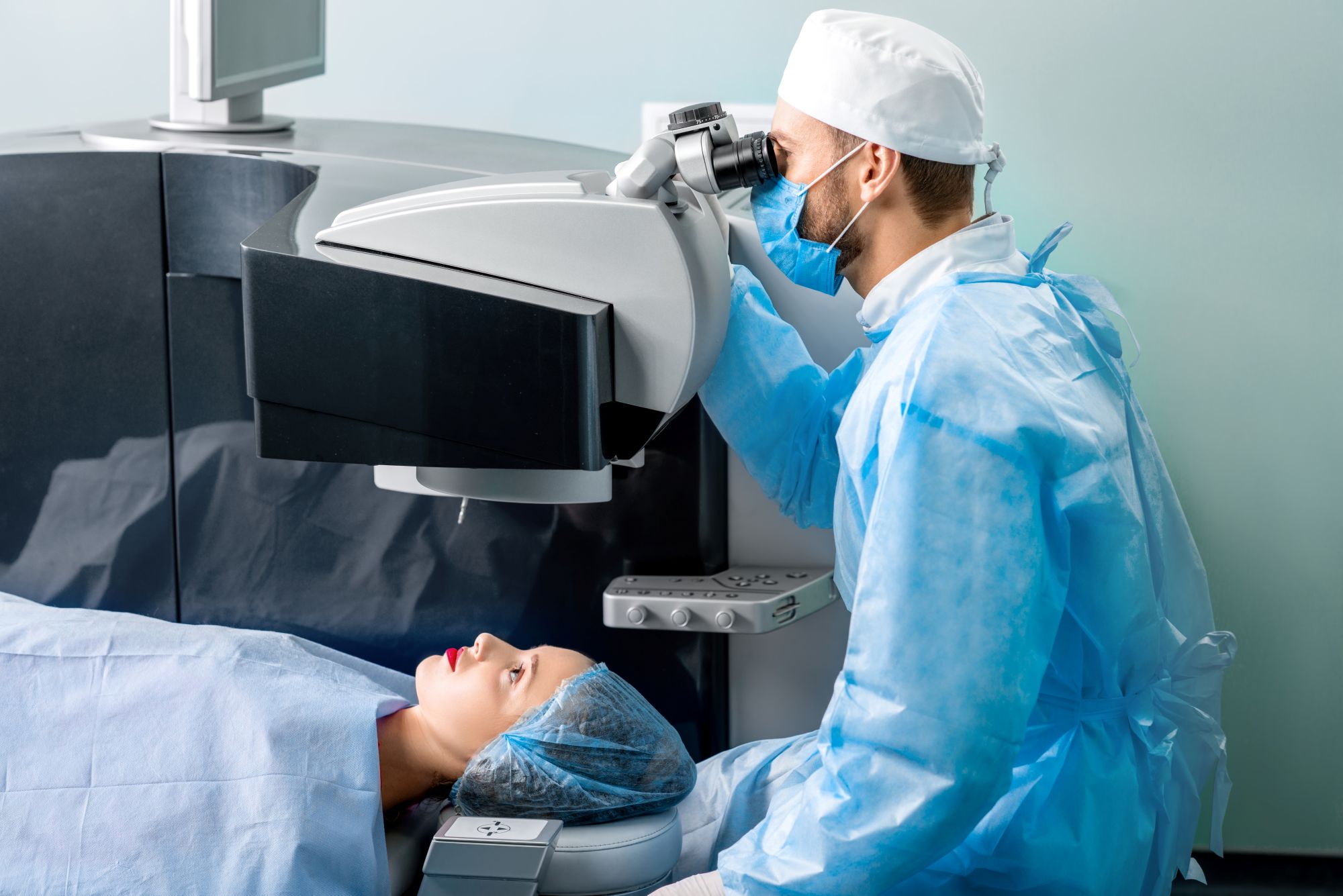
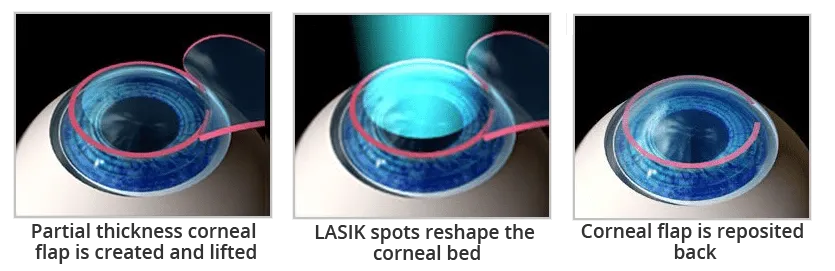
LASIK is generally performed in three main steps:

  1. A thin corneal flap is created.
  2. An excimer laser reshapes the underlying corneal tissue based on your prescription.
  3. The flap is repositioned, where it naturally adheres as the eye heals.

By reshaping the cornea, LASIK aims to improve how light focuses on the retina, which can sharpen vision and reduce blur caused by refractive error.
What LASIK can correct

LASIK may correct:

  • Myopia (short-sightedness)
  • Hyperopia (long-sightedness)
  • Astigmatism

If you would like a plain-language breakdown of these vision issues, the eye conditions section can be a helpful starting point.

LASIK vs laser vision correction terms

“Laser eye surgery” is an umbrella term that includes several procedures. LASIK is one type. Another common option is surface laser treatment (PRK), and some also offer small incision laser techniques (SmartSight). If you want a broader overview first, laser eye surgery explains how laser vision correction works and how different procedures compare.

Am I a good candidate for LASIK

Suitability is based on eye health and measurements, not just your prescription. The assessment is designed to confirm that LASIK can be done safely and that the likely outcome matches your goals.

Basic eligibility factors include:

  • Age over 20 years
  • Stable prescription over last 12 months
  • Healthy eyes overall, including the cornea and ocular surface
  • A cornea with suitable thickness and shape for LASIK planning
  • Realistic expectations about what LASIK can and cannot achieve

Corneal thickness and corneal mapping
Corneal thickness is important, but shape and stability matter just as much. Corneal mapping (topography or tomography) checks for irregular patterns and subtle signs of corneal weakness. This screening helps reduce the risk of complications such as ectasia and helps identify people who may be safer with a different approach or a non-laser option.

Dry eye and LASIK suitability

Dry eye can affect comfort and quality of vision, both before and after LASIK. It does not automatically rule out surgery, but it does need to be assessed carefully. Tear film testing helps guide whether dry eye should be treated first, whether a different procedure would be better, and what recovery support you may need.

Whe LASIK may not be recommended

LASIK may not be recommended in situations such as:

  • Increased risk of corneal instability, including signs of keratoconus or suspicious corneal mapping
  • Significant ocular surface disease that needs treatment first
  • Unstable refraction
  • Certain medical factors that may affect healing, assessed case by case

If corneal stability is a concern, your surgeon may discuss corneal monitoring and, in appropriate situations, options like corneal cross linking to help stabilise progressive corneal conditions.

LASIK eye surgery vs other vision correction options

LASIK is one option within vision correction. Comparing alternatives helps ensure you choose what fits your eyes and lifestyle, not just what sounds most convenient.

LASIK vs PRK

The key difference is that LASIK involves a corneal flap, while PRK is a surface laser procedure without a flap. LASIK often has faster early visual recovery. PRK can be recommended when a flap is not ideal, such as in certain corneal profiles or lifestyle situations. If you want a dedicated explanation of surface laser recovery and what it involves, see PRK eye surgery.

LASIK vs SmartSight

SmartSight is a different laser technique that uses a small incision rather than a flap. Suitability depends on your prescription range, corneal measurements, and surgeon recommendation. Not every clinic offers SmartSight, so the most relevant question is which procedures are available and safest for your eyes based on testing.

LASIK vs Implantable Collamer Lens (ICL)

LASIK reshapes the cornea. ICL corrects vision by placing a lens inside the eye, behind the iris and in front of the natural lens. ICL may be considered for higher prescriptions, thinner corneas, or when corneal shape makes laser correction less suitable. More detail is available on implantable collamer lens.

LASIK consultation and pre-operative testing

LASIK is one option within vision correction. Comparing alternatives helps ensure you choose what fits your eyes and lifestyle, not just what sounds most convenient.

Tests done at a LASIK Assessment

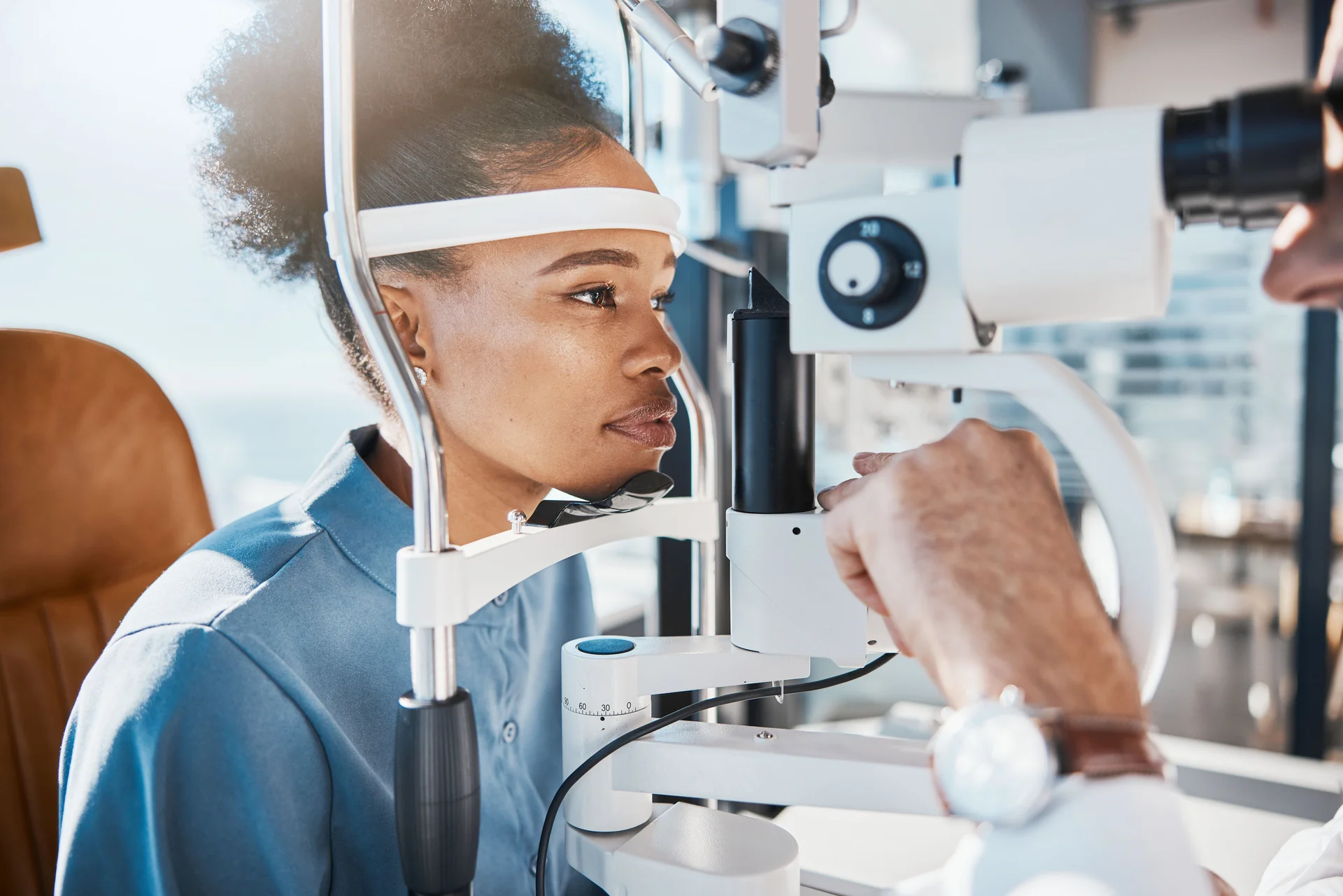
Testing commonly includes:
  • Refraction and vision testing
  • Corneal mapping (tomography)
  • Corneal thickness measurement
  • Pupil size assessment, including low-light considerations
  • Tear film evaluation for dryness
  • Eye pressure measurement
  • Retinal examination
To help you prepare and know what to bring, review your appointment details ahead of time.

Contact lens break before testing

Contact lenses can temporarily change corneal shape, which can affect scan accuracy and treatment planning. A contact lens break helps ensure measurements reflect your natural cornea. The required timing depends on the type of lenses you wear, and you will be provided with specific guidance before your appointment.

Understanding your treatment plan

Your surgeon will discuss what you want from surgery and what is realistic for your eyes. This includes work and sport needs, screen use, night driving, and your tolerance for side effects such as halos or dryness. This conversation is an important part of planning, because a good outcome is not only about sharp vision, but also comfort and function.

What to expect during LASIK eye surgery

LASIK is usually performed with numbing drops and takes only a short time per eye, but it is carefully planned and checked throughout.

Step-by-Step LASIK procedure overview

A typical LASIK procedure involves:

  • Numbing eye drops
  • Flap creation using a femtosecond laser
  • Excimer laser reshaping of the cornea
  • Flap repositioning and final checks before you leave the laser suite

You remain awake during the procedure so you can fixate on a target light to help steady your eye.

How long LASIK takes

The laser portion is brief, but your total time at the clinic is longer due to preparation, safety checks, and monitoring afterwards. You should plan for someone to take you home, as driving immediately after LASIK is not recommended.

Does LASIK Hurt

Most people do not describe LASIK as painful during the procedure because the eye is numbed. You may feel pressure and awareness. After the procedure, it is common to have watering, a gritty sensation, and light sensitivity for a short period, particularly in the first day.

Recovery after LASIK

Recovery is usually straightforward, but healing still takes time and aftercare instructions matter.
Eye exam8

The first 24 to 48 hours

In the first 24 to 48 hours, you may notice:

  • Watering and light sensitivity
  • A gritty or scratchy feeling
  • Fluctuating vision as the surface settles
  • Dryness, especially in air conditioning or screen-heavy environments

Resting your eyes and using your prescribed drops can help comfort.

The first week

During the first week, aftercare often focuses on:

  • Using eye drops as instructed
  • Avoiding eye rubbing
  • Avoiding eye makeup for the recommended period
  • Avoiding swimming, spas, and dusty environments until cleared

These steps reduce infection risk and support stable healing.

When you can drive, work and exercise

Driving should only resume once you can see safely and you have been cleared at review. Many people return to desk work relatively quickly, but screen breaks can help dryness. Exercise is usually reintroduced gradually, and water exposure is often restricted early on. Your surgeon will tailor advice to your work and lifestyle.

Follow-Up Appointments

Follow-up checks are part of safe LASIK care. Your surgeon checks vision, flap position, healing of the surface, dryness, and eye pressure. These visits also allow early management of inflammation or dryness that can affect visual quality.

Results you can expect from LASIK

LASIK aims to reduce dependence on glasses or contact lenses, but outcomes vary and long-term vision is influenced by natural ageing changes.

How soon vision improves

Many people notice meaningful improvement quickly, often within the first few days. Vision can continue to sharpen and stabilise over the following weeks as dryness settles and the cornea heals.

Will I still need glasses after LASIK

Some people may still need reading glasses for certain tasks. If you later develop presbyopia, reading glasses may be needed even if distance vision remains clear. If your prescription changes over time, enhancement may be discussed in selected cases, but only after stability and corneal safety are confirmed.

How long LASIK results last

LASIK is designed to be long-lasting for the treated prescription. However, vision can still change over time due to normal ageing, presbyopia, and other eye health factors. Ongoing eye checks remain important even after surgery.

Why choose City Eye Surgeons for LASIK

Detailed pre-operative screening

Good LASIK outcomes start with careful screening, especially corneal mapping, tear film testing, and accurate measurements. This reduces risk and helps choose the right procedure for your eyes.

Experienced surgical team and technology

Experience matters in planning and in execution. Surgical judgement is important for deciding who is suitable, how to plan treatment conservatively, and how to support recovery strategy.

Structured aftercare and long-term support

Aftercare is part of the procedure. Follow-up visits help confirm healing, manage dryness, and support stable vision. If your needs change later, your care plan can be reviewed and updated.

FAQs

Is LASIK safe?

Yes! For suitable candidates, LASIK has a strong safety profile. Safety depends on proper screening, conservative planning, and good follow-up care.

No, the procedure is usually not painful because numbing drops are used. You may feel pressure during surgery and irritation or a gritty sensation afterwards, especially in the first day.

The laser portion is brief and the procedure time per eye is short. Your total time at the clinic is longer due to preparation, checks, and monitoring after the procedure.

Do not drive on the day of surgery. Driving should only resume once your vision is safe and you have been cleared at follow-up.

Possibly. Dry eye is assessed carefully because it can affect comfort and visual quality. In some cases, dry eye needs treatment first or a different procedure may be recommended.

Rediscover clearer vision