Freedom from glasses starts here.
Freedom from glasses starts here.
Freedom from glasses starts here.
Refractive lens exchange (RLE) is a vision correction surgery where your eye’s natural lens is removed and replaced with a clear intraocular lens (IOL). The procedure is very similar to cataract surgery, but is done primarily to correct vision rather than treat cataracts.
How RLE works What is refractive lens exchange
RLE is designed to change the focusing power of the eye by replacing the natural lens with an artificial lens implant. The goal is to improve unaided vision for the tasks that matter most to you, whether that is driving, screen work, reading, or a mix of all three.
How RLE works
What vision problems RLE can correct
RLE may be used to correct:
If your main frustration is age-related near blur, it helps to understand what presbyopia is and why lens-based solutions can be considered once it starts affecting daily tasks.

People often consider refractive lens exchange if they:
RLE is typically considered for people in the presbyopia age range and beyond, but suitability is always individual. In many patients, the discussion centres on how to balance distance, intermediate, and near needs, and how comfortable you are with the trade-offs of different lens types.
Intraocular lens options for RLE
Monofocal IOLs
Multifocal IOLs

EDOF lenses aim to provide a broader range of vision, particularly distance and intermediate, with different trade-offs compared with multifocal lenses. Suitability depends on your eye health and the type of vision you need most. If you are comparing lens designs, our page on multifocal EDOF lenses explains how these options can differ in real-world performance.
Choosing the right lens for your lifestyle
Lens counselling focuses on your daily tasks and your tolerance for visual side effects. We discuss:
Refractive lens exchange planning is measurement-driven. The goal is to choose the right lens design and power, and confirm that the eye is healthy enough to proceed safely.
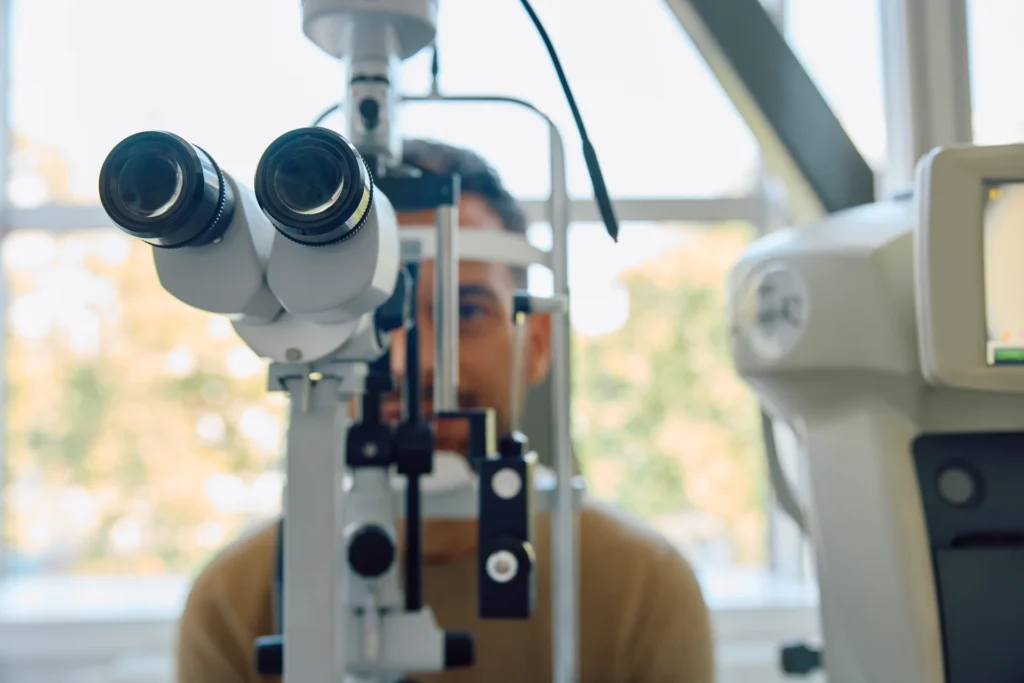
Outcomes depend on your starting prescription, the lens design chosen, and your eye health.
Range of vision outcomes (based on lens choice)
Will I still need glasses
Long-term benefits
RLE outcomes depend on planning and follow-up as much as the procedure itself.
The surgical steps are very similar. Cataract surgery is done to remove a cloudy lens that is affecting vision. RLE is done primarily to correct vision and reduce dependence on glasses, usually before a cataract becomes visually significant.
It can be, particularly when presbyopia is combined with higher long-sightedness or when other options are less suitable. The best option depends on your eye health, your visual goals, and how you feel about the trade-offs of different lens designs.
Lens options can include monofocal, EDOF and multifocal designs. The right choice depends on your prescription, eye health, and whether you value night driving clarity, reading without glasses, or a balance of both.
They can occur, especially with multifocal and EDOF lenses, and are often most noticeable at night. Suitability screening and lens selection help reduce the chance of bothersome symptoms.
Many people notice clearer vision early, but stabilisation can take weeks. The timeline depends on healing, dryness, and the lens design chosen, especially if your vision needs to adapt across multiple distances.
Rediscover clearer vision

Location: G11-12/566 St Kilda Road, Melbourne VIC 3004
Phone: (03) 9070 0955
Fax: (03) 9978 9426
E-mail: info@cityeyesurgeons.com.au
Copyright © 2025 City Eye Surgeons. All rights reserved. Privacy Policy.